What is a Stroke?
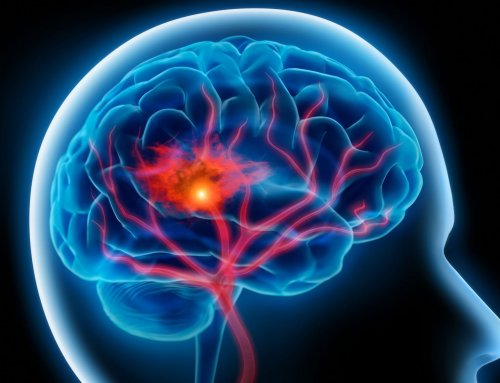
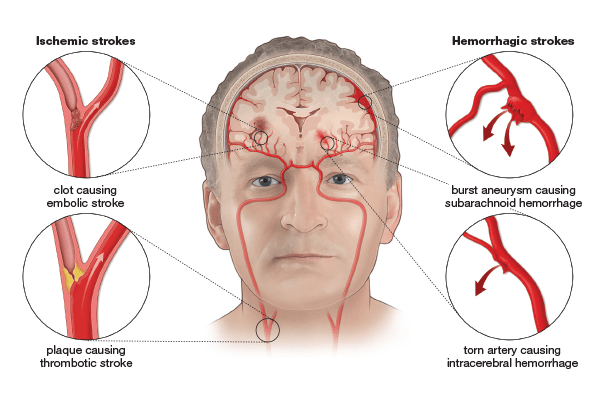
A stroke, sometimes referred to as a brain attack, primarily occurs when the blood supply to the brain is blocked by a clot or tear in a blood vessel. There are 2 types of stroke called Ischemic and Hemorrhagic.
Ischemic Stroke (Clots)
An ischemic stroke occurs when a blood vessel supplying blood to the brain is obstructed, usually by a blood clot or a buildup of fatty deposits (atherosclerosis). This is the most common type of stroke, accounting for about 87% of all strokes, according to the AHA. The interruption in blood flow causes brain cells to begin dying within minutes due to lack of oxygen and nutrients.
Hemorrhagic Stroke (Bleeds)
A hemorrhagic stroke occurs when a weakened blood vessel in the brain ruptures and bleeds into the surrounding tissue. This bleeding puts pressure on brain cells and causes damage. The most common causes include high blood pressure and aneurysms. The AHA identifies two main types:
- Intracerebral hemorrhage (bleeding within the brain)
- Subarachnoid hemorrhage (bleeding into the space between the brain and the thin tissues covering it)
Transient Ischemic Attack (TIA)
A TIA, often called a mini-stroke, is caused by a temporary blockage of blood flow to the brain. Unlike a full stroke, the blockage is brief and symptoms usually resolve within minutes to hours, and no permanent brain damage occurs. However, a TIA is a serious warning sign—according to the AHA, 1 in 3 people who experience a TIA will go on to have a full stroke, often within days or weeks.
Stroke Facts & Statistics
- Stroke is the #1 Cause of Adult Disability in the USA, costing nearly $36.5 billion each year
- I out of 5 Americans will suffer a stroke in their lifetime
- 4,000+ strokes each year in Santa Clara County; 795,000 Nationwide
- A stroke occurs every 40 seconds and someone dies of stroke every four minutes
- Stroke kills nearly 129,000 Americans each year, making it the 5th leading cause of death
- There are about 411 deaths from stroke each day
- 88% of all strokes are Ischemic Strokes. Stroke is treatable with a high success rate if the patient arrives at a certified stroke center in time for treatment.
Time is Brain – Every Minute Counts
1.9 million neurons or 3 weeks of memory are lost in one minute during a stroke.
120 million neurons or 3.6 years of memory lost in one hour of an ischemic stroke.